

By Matthew Patel
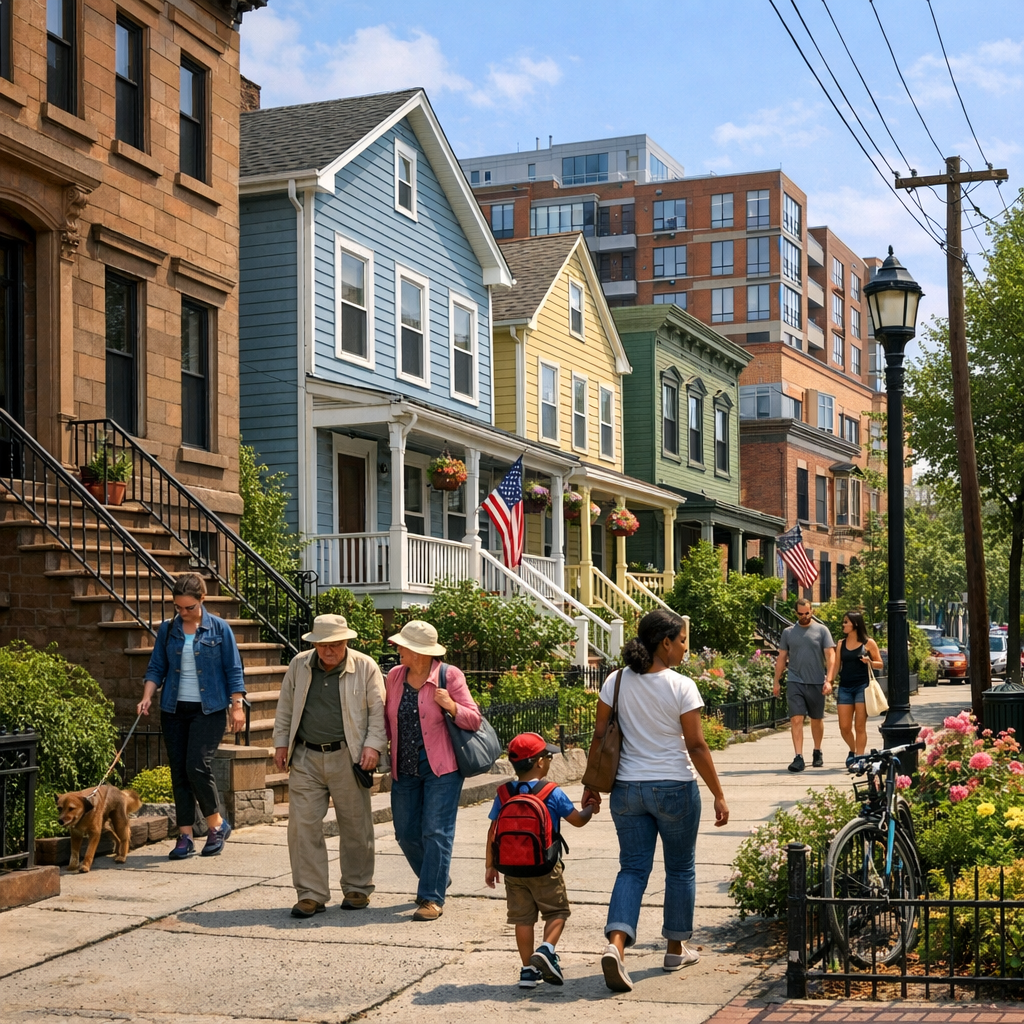
I grew up in Jersey City, and even as a kid I remember this city was about more than buildings or streets—it was about community. Walkways where kids played, stoops where neighbors shared stories, front porches where you’d hear different languages wrap around laughter. I never thought I’d see that neighborly heart challenged so deeply.
These days, that sense of stability—of calling someplace truly home—is under pressure. It’s not just about rising rents, though those are high, nor just about shiny new luxury towers. It’s about what’s happening to long-term homeowners, working families, and people trying to stay close to their roots.
The Hidden Costs of “Affordable” Ownership
You’ve probably heard about the 95/5 deed restriction. It’s meant to help people with modest incomes buy homes at below-market prices. But here’s the catch: when homeowners try to sell, 95% of the gain between the sale and purchase prices goes back to the city or municipality—and they keep just 5%. That alone eats into what should be generational wealth for families who thought they were building upward. Many didn’t learn the full impact until decades later, by which time homes have climbed steeply in value. On one hand it’s good to maintain affordable housing stock. On the other, for many it feels like a promise of ownership, but not wealth.
Rising Expenses, Renters and Owners Alike
Renters are squeezed—they’re paying more in rent than ever before. Working families, immigrants, essential workers: folks who keep this city moving. Some are spending over 30% of their income just on housing. Over time, that’s not just math—it changes everything. Little things become unaffordable. Doctors’ appointments, school supplies, or even a night out feel like luxuries.
And then there are homeowners—particularly in neighborhoods like The Heights—whose property taxes and costs of upkeep are climbing so fast many are relying on roommates, or the reconfigured use of their own living rooms. One local academic described how she’s barely keeping up, despite having live-in help to offset rising utility bills, taxes, and mortgage payments. For many, preserving “home” feels like a full-time job.
Whose Jersey City Is This?
Jersey City has always been home to newcomers and long-term residents alike—immigrants arriving hopeful, working-class people staying near jobs, artists making corners of the city theirs. The growing sense now is that many of these people are being pushed out—not by force, but by circumstances.
The “Building for Working Families” agendas and master plans are steps forward, with promises of more inclusive development, accountability, and mixed-income housing. But the pace can feel slow when rent is due every month, and the landlord doesn’t talk about long-term equity.
A Vision, But Not the Whole Story
Master plans call for land-use changes, budget support for subsidies, and protections like rent regulation and property tax freezes for vulnerable homeowners. These are good policy tools. But policy doesn’t always reach into the day-to-day lives of families halved by bills, split between two incomes, stretched across multiple jobs.
Holding On and Looking Forward
And yet—I see hope here. Through groups like Welcome Home JC, immigrants and refugees have found services to steady their family life. Through oral history programs, folks who’ve watched Jersey City change share stories that remind us who we are. Those voices matter, because preserving who we are means acknowledging what’s slipping: the feeling that your home is safe, that your kids can grow up here without packing up when prices threaten.
If there’s something I believe, it’s that we can’t let housing be just a debate for politicians. It’s a reality people live every single day. If Jersey City is going to stay “home” for more than a few years, we need fixes that feel real—equity, fairness, and a chance to build something that lasts.